
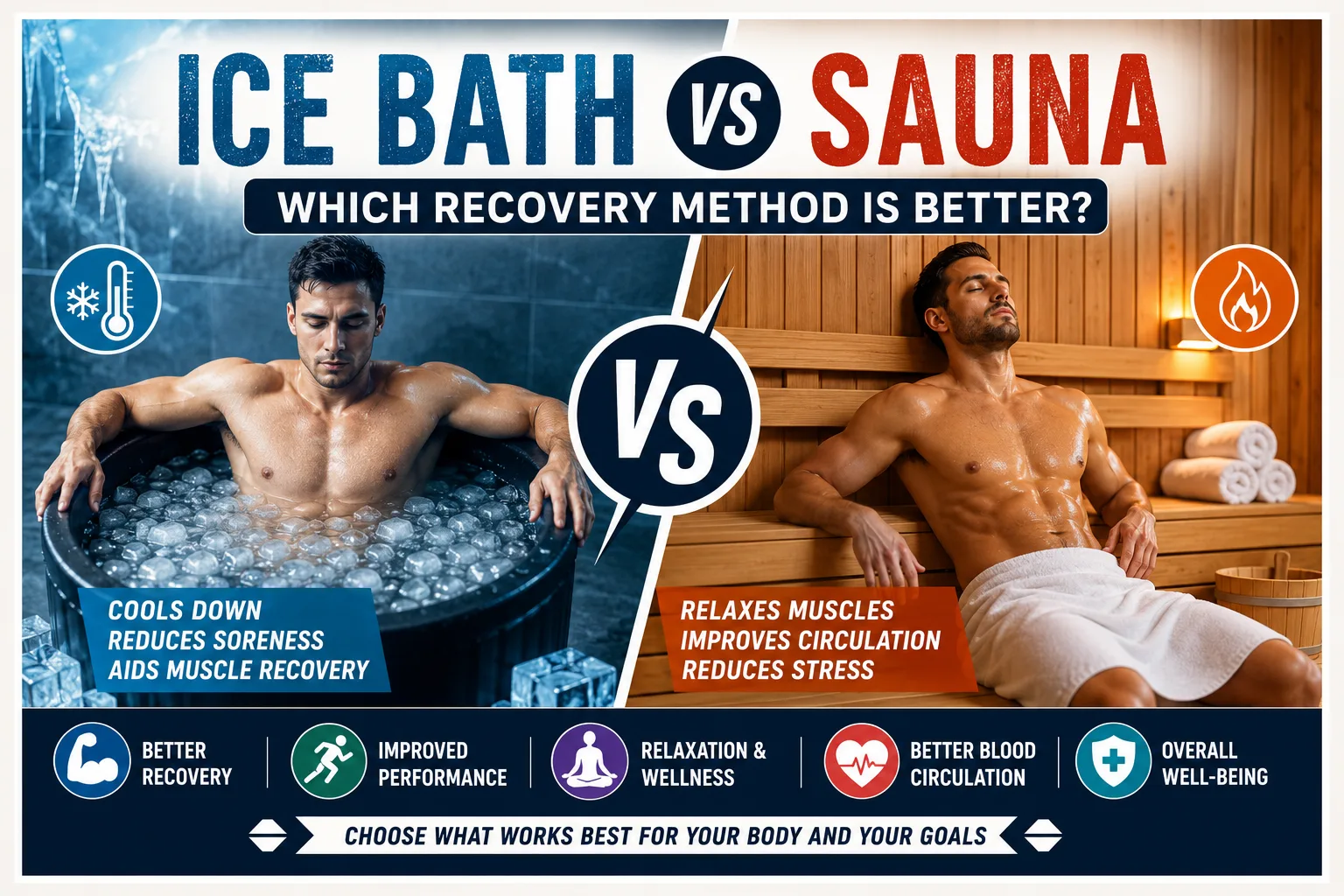
Recovery is one of the most important parts of fitness. Many people spend hours in the gym but forget that muscles become stronger during recovery, not during exercise.
Today, two of the most popular recovery methods are ice baths and sauna therapy. Professional athletes, fitness trainers, and gym members use both to help their bodies recover after workouts.
But many people ask one simple question:
Which is better after a workout—an ice bath or a sauna?
The answer depends on your fitness goals, the type of workout you do, and how your body feels.
In this guide, you will learn how ice baths and saunas work, their benefits, their differences, and when each one may be a good choice.
Why Recovery Is Important After Exercise
Every workout puts stress on your muscles.
Whether you lift weights, run, or attend a group fitness class, your muscles work hard during exercise.
After training, your body needs time to:
- Repair muscle tissue
- Reduce tiredness
- Restore energy
- Prepare for your next workout
- Support long-term fitness progress
Good recovery can help you feel fresh and ready for your next session.
What Is an Ice Bath?
An ice bath is also called cold water immersion.
It involves sitting in cold water for a short period after exercise.
The water is usually very cold, but the exact temperature and duration can vary depending on the person and their goals.
Many athletes use ice baths after intense training sessions or sports competitions.
Benefits of an Ice Bath
1. May Help Reduce Muscle Soreness
After a hard workout, muscles may feel sore.
Cold water may help reduce discomfort after intense exercise.
This is one reason many athletes choose an ice bath.
2. Helps Cool Down the Body
After running or exercising in hot weather, an ice bath helps lower body temperature.
This can feel refreshing after long training sessions.
3. Supports Recovery After Intense Exercise
Cold water may help some people feel recovered after demanding workouts.
It is commonly used after sports events and high-intensity training.
4. Refreshes the Body
Many people say they feel mentally refreshed after an ice bath.
The cold water can make you feel awake and energized.
Things to Remember About Ice Baths
Ice baths are not necessary after every workout.
Some people may not enjoy cold water.
People with certain medical conditions, especially heart or circulation problems, should speak with a healthcare professional before trying cold-water therapy.
What Is a Sauna?
A sauna is a room that uses dry heat to warm the body.
Many premium fitness centers include sauna facilities as part of their recovery and wellness services.
People usually spend a short time relaxing in the sauna after a workout.
Benefits of Sauna Therapy
1. Helps Relax Muscles
Heat helps muscles feel relaxed after exercise.
Many people enjoy using a sauna after strength training or cardio workouts.
2. Supports Relaxation
Saunas are known for creating a calm and peaceful environment.
Many people feel relaxed both physically and mentally after a session.
3. Improves Blood Circulation
Heat causes blood vessels to widen.
This increases blood flow throughout the body.
Good circulation supports your body’s natural recovery process.
4. Helps Reduce Stress
Modern life is stressful.
A sauna session helps many people unwind after a busy day.
Reducing stress also supports overall health.
5. Supports Better Sleep
Many people find it easier to sleep after relaxing in a sauna.
Good sleep is important because muscles recover while you sleep.
Ice Bath vs Sauna: Main Differences
| Ice Bath | Sauna |
|---|---|
| Cold water | Dry heat |
| Helps cool the body | Helps warm and relax the body |
| Popular after intense sports | Popular after gym workouts |
| Refreshing feeling | Relaxing feeling |
| Often used for cooling down | Often used for stress relief and relaxation |
Both methods have their own benefits.
Which One Is Better for Muscle Recovery?
There is no single answer.
It depends on your workout and your recovery goals.
Ice Bath May Be Helpful If:
- You completed a very intense workout.
- You finished a long sports event.
- You exercised in hot weather.
- You want to cool your body quickly.
Sauna May Be Helpful If:
- Your muscles feel tight.
- You want to relax after exercise.
- You enjoy heat therapy.
- You want to reduce stress after a busy day.
Can You Use Both?
Some experienced athletes use both cold and heat therapy at different times.
However, this is not necessary for everyone.
If you are new to recovery methods, start slowly and choose the option that feels comfortable for your body.
Other Recovery Habits That Matter
Recovery is about much more than ice baths or saunas.
The best recovery routine also includes:
Healthy Nutrition
Eat balanced meals with protein, healthy carbohydrates, fruits, and vegetables.
Drink Enough Water
Hydration is important before and after exercise.
Water supports muscle function and overall health.
Get Quality Sleep
Aim for enough sleep each night because your body repairs itself while you sleep.
Stretch After Exercise
Stretching helps improve flexibility and reduce muscle tightness.
Rest Days
Taking rest days allows your body to recover between workouts.
Recovery at Bodyzone Fitness & Spa
At Bodyzone Fitness & Spa, we believe that recovery is just as important as exercise.
Our goal is to help members enjoy a complete fitness experience by focusing on both performance and recovery.
Members can enjoy facilities that support wellness and recovery, including:
- Premium gym equipment
- Professional personal training
- Sauna facilities
- Steam therapy
- Group fitness classes
- Yoga classes
- Aerobics classes
- Bhangra fitness classes
- Salsa classes
- Stretching guidance
- Wellness-focused environment
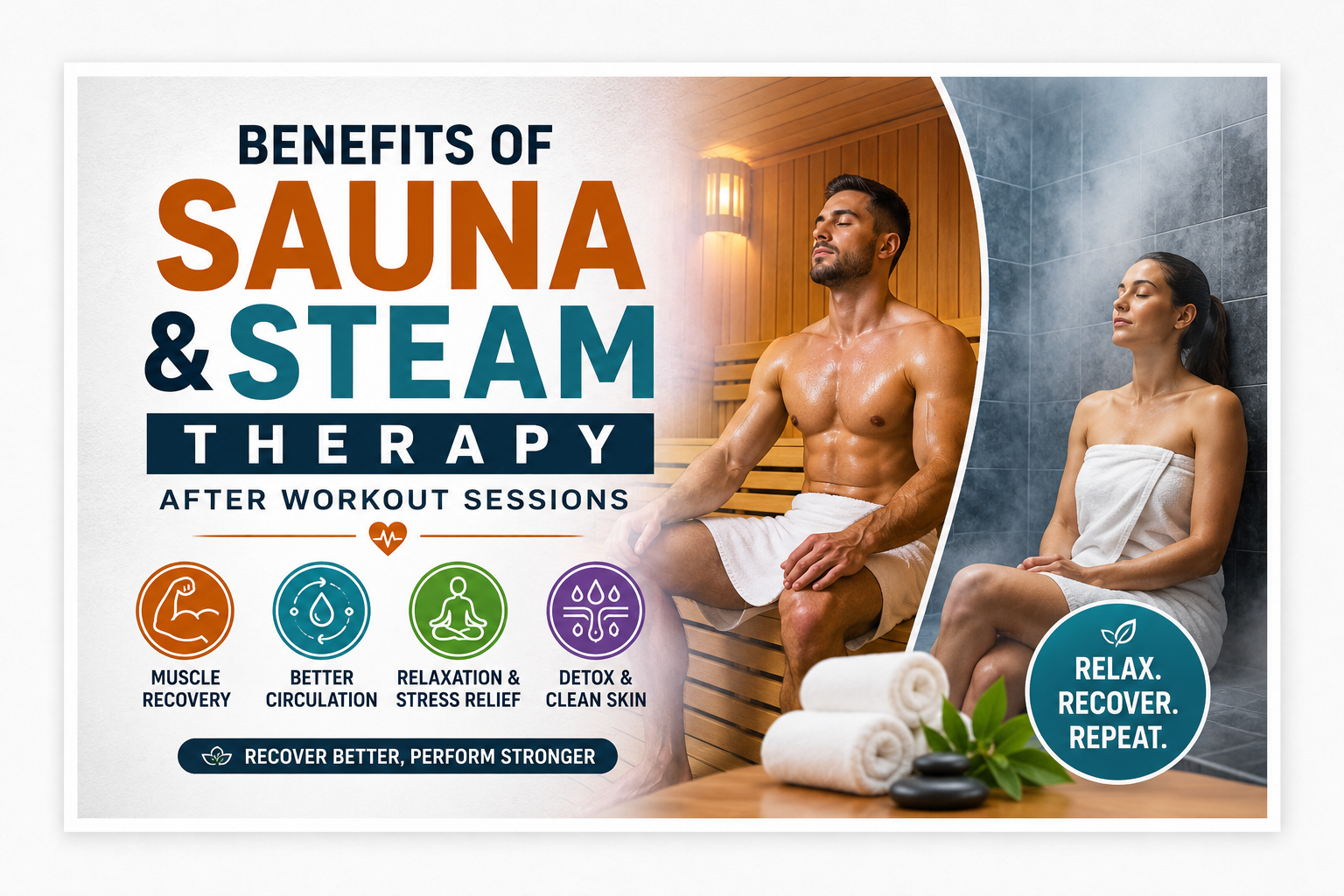
A balanced fitness routine includes exercise, recovery, nutrition, hydration, and quality sleep. These healthy habits help you stay consistent and work toward your long-term fitness goals.
Final Thoughts
Both ice baths and saunas can be useful recovery tools.
An ice bath may feel refreshing after very intense exercise or training in hot conditions.
A sauna is often preferred by people who want to relax, reduce muscle tightness, and enjoy a calming recovery experience.
The best recovery plan is the one that fits your body, workout routine, and personal comfort.
Remember that no recovery method can replace regular exercise, healthy eating, enough water, and good sleep.
Small healthy habits practiced consistently will always give the best long-term results.
Frequently Asked Questions (FAQs)
Is an ice bath better than a sauna?
Neither is better for everyone. Ice baths and saunas offer different benefits, and the best choice depends on your workout, recovery needs, and personal preference.
Should I take an ice bath after every workout?
Not necessarily. Many people reserve ice baths for intense training sessions or sports events rather than every workout.
Is a sauna good after a gym workout?
Many people enjoy using a sauna after exercise because the heat helps them relax and unwind after training.
Can I use both an ice bath and a sauna?
Some experienced athletes do, but it is not required. If you are new to recovery methods, start slowly and choose what feels comfortable for you.
How long should I stay in a sauna?
Many people spend around 10 to 15 minutes, but the ideal time depends on your comfort and health. Stay hydrated and leave if you feel unwell.
Is hydration important after using a sauna or an ice bath?
Yes. Drinking enough water helps replace fluids lost during exercise and supports recovery.
What is the best recovery method after exercise?
The best recovery routine includes proper nutrition, hydration, stretching, sleep, rest days, and recovery techniques that suit your body.
Leave a Reply