
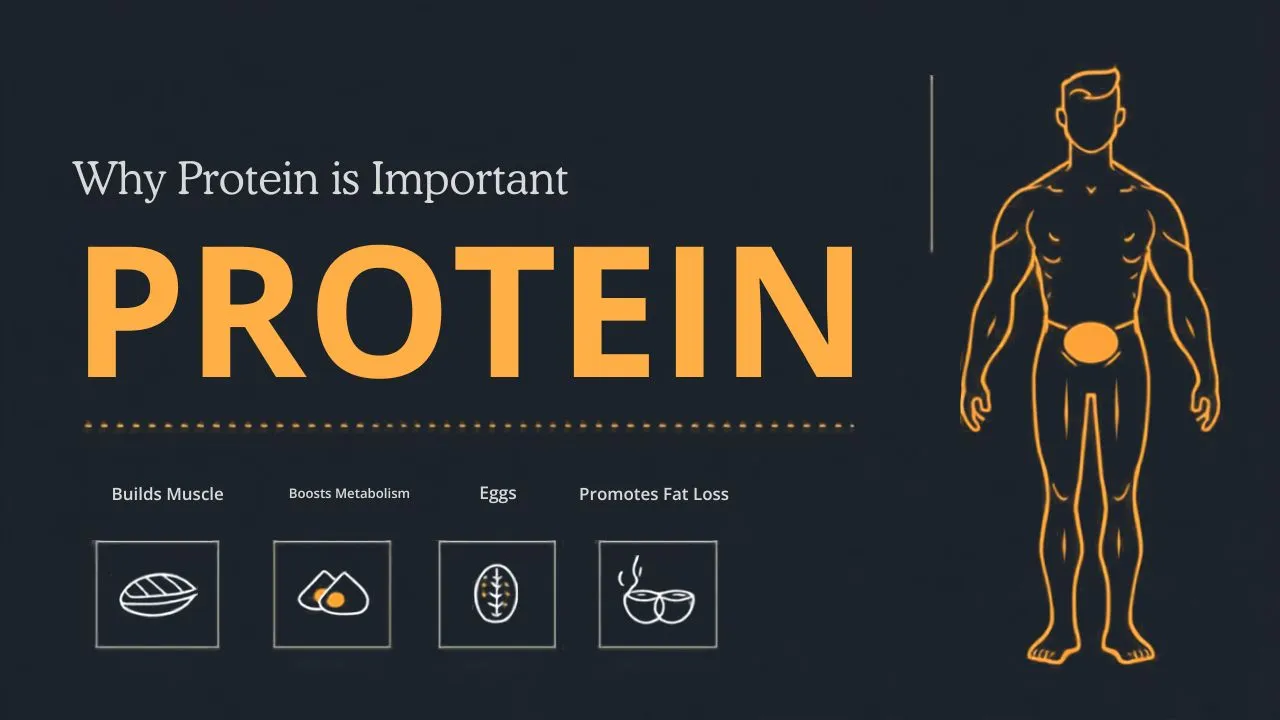
Protein is one of the most important nutrients for a healthy body. Whether your goal is to build muscle, lose weight, improve strength, or stay healthy, protein plays a big role.
Many people focus only on exercise but forget that nutrition is just as important. Going to the gym without eating enough protein can slow your progress. Your muscles need protein to recover and become stronger after every workout.
In this article, you will learn why protein is important for muscle growth and fat loss, how much protein you need, the best food sources, and common mistakes to avoid.
What is Protein?
Protein is a nutrient made up of small building blocks called amino acids. These amino acids help your body build and repair muscles, bones, skin, and other body tissues.
Every cell in your body needs protein to work properly.
If you exercise regularly, your body needs even more protein to recover after workouts.
Why is Protein Important for Muscle Growth?
When you lift weights or exercise, your muscles develop tiny tears. This is a normal part of training.
Your body repairs these muscles after your workout, making them stronger and bigger.
Protein provides the building blocks needed for this repair process.
Without enough protein, muscle recovery becomes slower and muscle growth may decrease.
1. Helps Build Lean Muscle
Protein is the main nutrient responsible for muscle growth.
Eating enough protein along with regular strength training helps:
- Build lean muscle
- Increase strength
- Improve muscle size
- Support healthy body composition
This is why protein is important for people who go to the gym.
2. Helps Repair Muscles Faster
After a workout, muscles need time to recover.
Protein helps repair muscle fibers damaged during exercise.
Faster recovery means:
- Less muscle soreness
- Better workout performance
- Reduced risk of injury
- More energy for your next workout
3. Supports Fat Loss
Many people think protein is only for bodybuilders.
That is not true.
Protein is also helpful for people trying to lose weight.
High-protein meals help you feel full for a longer time.
This reduces unnecessary snacking and overeating.
Protein also helps your body keep muscle while losing body fat.
4. Boosts Metabolism
Your body uses more energy to digest protein than carbohydrates or fats.
This means protein slightly increases calorie burning during digestion.
A healthy metabolism supports better weight management.
5. Reduces Hunger
Protein helps control hunger by keeping your stomach full.
People who eat enough protein often:
- Eat fewer unhealthy snacks
- Feel satisfied longer
- Have better control over cravings
This makes healthy eating easier.
6. Helps Maintain Muscle During Weight Loss
When losing weight, many people lose muscle along with fat.
Eating enough protein while exercising helps protect muscle mass.
This keeps your body stronger and improves your overall appearance.
7. Improves Workout Performance
Muscles recover better when they receive enough protein.
Good recovery allows you to:
- Lift heavier weights
- Exercise longer
- Improve strength
- Stay consistent with workouts
Better recovery leads to better fitness results.
Best Sources of Protein
You do not always need expensive supplements.
Many everyday foods are rich in protein.
Animal Protein
- Eggs
- Chicken breast
- Fish
- Turkey
- Lean meat
- Milk
- Greek yogurt
- Cottage cheese (Paneer)
Plant Protein
- Lentils (Dal)
- Chickpeas
- Kidney beans (Rajma)
- Soybeans
- Tofu
- Quinoa
- Nuts
- Seeds
A balanced diet with different protein sources is best.
Do You Need Protein Powder?
Protein powder is only a supplement.
It is useful if you cannot meet your daily protein needs through food.
However, whole foods should always be your first choice.
Before using supplements, consult a qualified fitness or healthcare professional, especially if you have medical conditions.
How Much Protein Do You Need?
Protein needs vary depending on your age, body weight, activity level, and fitness goals.
People who exercise regularly generally need more protein than people who are less active.
Instead of copying someone else’s diet, choose a balanced eating plan that fits your individual needs.
Common Protein Mistakes
Many people make simple mistakes that affect their results.
Avoid these habits:
- Eating very little protein
- Depending only on protein shakes
- Skipping meals
- Ignoring vegetables and fruits
- Not drinking enough water
- Thinking protein alone builds muscle without exercise
Remember, good fitness needs proper training, balanced nutrition, hydration, and enough sleep.
Tips to Increase Protein Naturally
Here are some easy ways to eat more protein every day:
- Add eggs to breakfast.
- Include dal or beans in lunch.
- Eat paneer or tofu as a snack.
- Choose Greek yogurt instead of sugary desserts.
- Include chicken or fish if you eat non-vegetarian food.
- Eat a protein-rich meal after your workout.
Small daily changes can make a big difference.
Final Thoughts
Protein is one of the most important nutrients for building muscle and losing fat.
It helps repair muscles, supports recovery, reduces hunger, improves strength, and helps maintain lean muscle while losing weight.
Along with regular exercise, proper sleep, and enough water, a balanced protein-rich diet can help you reach your fitness goals more effectively.
Focus on eating healthy foods consistently instead of looking for quick results. Small improvements every day lead to long-term success.
Frequently Asked Questions (FAQs)
Why is protein important for muscle growth?
Protein helps repair and build muscle tissue after exercise, making muscles stronger over time.
Can protein help with fat loss?
Yes. Protein helps you feel full for longer, supports muscle maintenance during weight loss, and can help reduce overeating.
What are the best natural sources of protein?
Eggs, chicken, fish, paneer, milk, Greek yogurt, lentils, beans, tofu, soybeans, nuts, and seeds are excellent sources.
Do beginners need protein?
Yes. Everyone needs protein for muscle repair, recovery, and overall health, whether they are beginners or experienced gym-goers.
Is protein powder necessary?
Not always. Most people can meet their protein needs through a balanced diet. Protein powder is simply a convenient supplement when needed.
When should I eat protein?
Include protein throughout the day, especially after exercise, to support muscle recovery.
Can I build muscle without enough protein?
Building muscle becomes much harder if you do not consume enough protein because your body lacks the nutrients needed for repair and growth.
Leave a Reply